
Updated April 2026
By Amy Burkhart, MD, RD | Dr. Burkhart is the only physician in the United States who is also a registered dietitian and board-certified in integrative medicine.
If you’ve been searching for answers about the low histamine diet, you’re not alone. Histamine intolerance is one of the most misunderstood conditions I see in my practice, largely because its symptoms look so much like other things: allergies, IBS, anxiety, skin issues. In this article, I’ll break down what the diet actually involves, what the research says about whether it works, and how to get started without feeling overwhelmed.
What Is a Low Histamine Diet?
A low histamine diet limits foods that are either high in histamine or that trigger the body to release histamine. It is used to manage symptoms of histamine intolerance (HIT), such as bloating, headaches, rashes, diarrhea, and fatigue. Studies show that 50–79% of patients experience symptom improvement on a low-histamine diet when they try the diet for at least three weeks.
What Is Histamine and Why Does It Matter?
Histamine is found naturally in the body and in many foods, and it plays an important role in the immune and nervous systems. It helps trigger the immune system’s response to potential threats such as infections and is also involved in sleep, cognition, and memory. Thus, it has a key role in keeping us healthy. But when there is more histamine in the body than can be cleared, problems arise.
What Is Histamine Intolerance?
Histamine intolerance vs true allergy
The symptoms of histamine intolerance can look just like those of a true allergy because histamine is involved in both. Someone with histamine intolerance may have flushing, hives, itching, and other symptoms commonly seen in allergies, so it is understandable why the two conditions are often confused. With a true allergy, as most people think of with peanuts, for example, the body’s immune system overreacts to a specific trigger, causing symptoms such as swelling, rashes, or difficulty breathing. Histamine intolerance is a mismatch between having too much histamine in the body and the body’s inability to clear it quickly enough. So while the symptoms can look similar, the processes are different.
Symptoms of histamine intolerance
However, not everyone with histamine intolerance has allergy-type symptoms. Research has found that the most common symptom of histamine intolerance is bloating, which is consistent with what I see in my practice.
-
- Bloating (most common symptom) (94%)
- Headaches (91%)
- Diarrhea (77%)
- IBS, Other Digestive Issues (69%)
- Fatigue (83%)
- Drowsiness after meals (81%)
- Hives, itching, or skin flushing, other skin reactions (81%)
- Anxiety (50-60%)
- Rapid heartbeat
- Wheezing
- Watery eyes
- Sleep disruption or insomnia
- Swelling of the tongue or mouth
- Severe menstrual cramps
How histamine intolerance is diagnosed
Histamine intolerance is currently a “diagnosis of exclusion” because there is no definitive test. It is important that you speak to your physician to evaluate other possible “look-alike” conditions first, because you don’t want to miss a diagnosis with similar symptoms, as the treatment will be different. Physicians can measure DAO activity and blood histamine levels, but DAO and histamine levels do not reliably correlate with symptoms, rendering the results insufficient to diagnose histamine intolerance. The standard approach to determine histamine intolerance is a trial of a low-histamine diet for at least three weeks after you have ensured nothing else is causing the symptoms. If symptoms improve significantly with dietary histamine reduction, histamine intolerance is likely.
Conditions that can mimic HIT:
- True food allergies
- Mast cell activation syndrome (MCAS)
- Celiac disease
- Inflammatory bowel disease
- Fructose malabsorption
- SIBO
- Spontaneous Urticaria
- Colitis
For a more detailed explanation of histamine intolerance, read my previous article explaining histamine intolerance.
How the Diet Helps Lower Histamine Levels
Following a low-histamine diet can be an effective way for those with histamine intolerance to find relief. Here’s how it works:
Reduces Histamine Intake
By limiting the intake of high-histamine foods, you can reduce the body’s overall histamine levels. This can be helpful for those whose systems struggle to properly break down and eliminate excess histamine.
Supports Histamine Breakdown
Certain foods can interfere with the function of the DAO enzyme, which breaks down histamine in the body. A low-histamine diet limits those foods.
How To Start A Low Histamine Diet
The ‘bucket concept” explained
A “low-histamine diet” is not the same as a “no-histamine diet.” The goal is to reduce overall histamine intake, not eliminate it entirely, which isn’t possible, since virtually all foods contain some histamine.
To understand why reduction still matters, think of your body’s histamine tolerance as a bucket.
- In the morning, after a night without eating, your bucket is nearly empty.
- As the day goes on and you eat, histamine from food combined with the histamine your body produces naturally, slowly fills the bucket.
- Symptoms appear not from any single food, but when the bucket overflows: when total histamine load exceeds what your body can process.
This is why the same food might cause a reaction one day but not another; it depends on how full your bucket already is.
Because everyone’s bucket is a different size, there’s no universal list of foods to avoid. General guidelines and food lists are a useful starting point, but some trial and error is needed to find what works for you personally.
Quick tips to get started
- Fresh is Best
Foods tend to accumulate higher histamine levels as they age or spoil. Opting for the freshest possible ingredients can help minimize histamine production.
- Avoid Fermented Foods
While fermented foods are generally beneficial for gut health, they also contain high amounts of histamine, which can be problematic for those with intolerance.
- Read Labels Carefully
Scan ingredient lists and avoid any products that contain known high-histamine components.
- Freeze It
Freezing foods can help reduce histamine generation. Consider freezing leftovers, especially meats.
- Steer Clear of Additives
Food dyes, preservatives like benzoates and sulfites, and other artificial additives can trigger the release of histamine.
- Check medications and supplements, too.
They often contain preservatives or ingredients that may be problematic
- Opt for Pasteurized Dairy
Some people with histamine intolerance cannot tolerate dairy at all, while others may be able to have small amounts. Pasteurized dairy products tend to be lower in histamine compared to raw, fermented options.
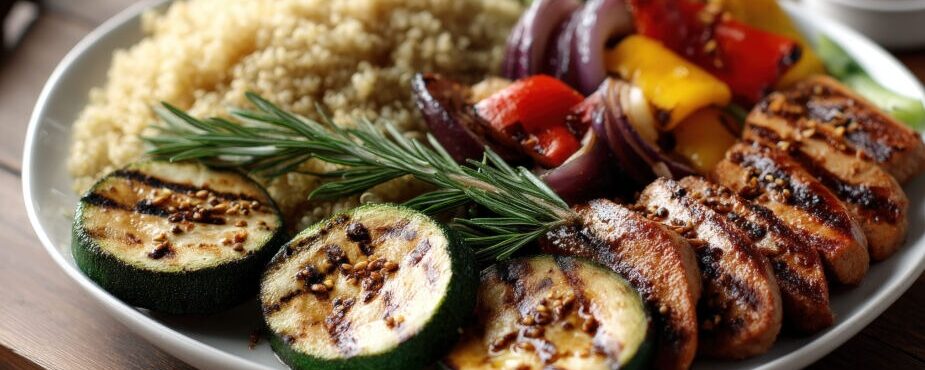
- Boil, Don’t Grill
Preparation methods affect histamine levels: boiled foods have the same or lower histamine levels as raw, while frying and grilling can increase histamine levels in food.
Low Histamine Foods

Low Histamine Foods List
When following a low-histamine diet, it’s important to understand that food lists can vary significantly depending on the source you consult. One website will tout one list, and your favorite expert will recommend another. This is because there is still no consensus or peer-reviewed master list for the histamine content of foods. Even if there was, the specific histamine content of foods is influenced by various factors, including cooking method, temperature, and food age, so there would be a lot of room for error. One of the most commonly used resources is the SIGHI (Swiss Interest Group Histamine Intolerance) food list, which provides a comprehensive and printable guide. This list can serve as a helpful starting point, but it’s crucial to keep in mind that the information is based on crowd-sourcing rather than rigorous scientific evidence.
In addition, I have compiled a list of foods that are scientifically agreed upon as high-histamine, and you can get it by entering your email in the blue box above. Once you do that, you will get the document ” How To Simplify the Low Histamine Diet” sent to your inbox. It does require a confirmation step in your email to receive it.
Fruits:
- Blueberries
- Apricots
- Cranberries
- Apples
- Mango
- Peaches
Vegetables:
- Onions
- Sweet potatoes
- Asparagus
- Broccoli
- Squash
- Cucumbers
- Beets
Dairy:
- Butter
- Cream cheese
- Pasteurized milk
- Eggs (in small amounts, with the whites potentially releasing more histamine than the yolks)
Meats:
- Freshly cooked poultry
- Fresh or frozen fish
Grains:
- Potatoes
- Corn
- Rice
- Oats
Drinks:
- Water
- Herbal Tea
- Fruit juice, avoid citrus drinks
It’s important to note that while these lists provide a good starting point, individual tolerance varies significantly. What works for one person may not work for another, so it’s essential to pay attention to your own body’s reactions and make adjustments accordingly.
High Histamine Foods to Avoid
The Most Problematic High Histamine Foods
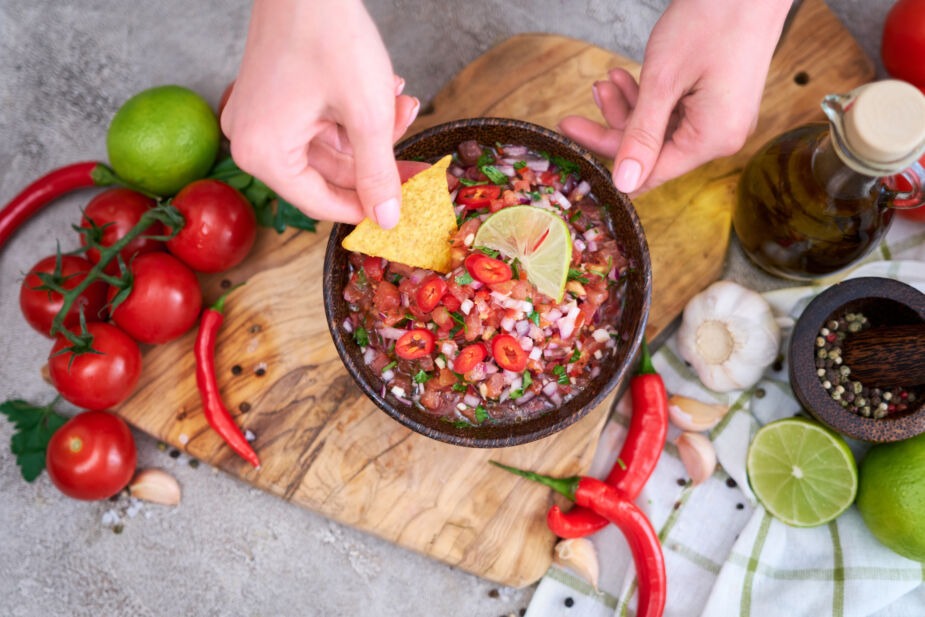
Starting a low-histamine diet can seem overwhelming, but knowing the most problematic foods to limit is a crucial first step. Here’s a list of the most common high-histamine foods:
Fruits:
- Citrus fruits (oranges, lemons, limes)*
- Strawberries*
- Bananas
- Pineapple
- Pears
Vegetables:
- Eggplant
- Avocado
- Tomatoes*
- Olives
- Beans
Dairy:
- Aged cheeses*
- Yogurt
- Processed cheese products*
Proteins:
- Canned, smoked, or dried meats/fish*
- Tuna, mackerel, anchovies
- Shellfish
- Sausages, lunchmeats, and liver*
- Eggs (except in small amounts when baked)
Grains:
- Avoid bleached wheat flour
Flavorings:
- Vinegar
- Soy sauce
- Hot spices (chili, cayenne)
Fermented Foods:
- Beer*
- Wine*
- Pickled foods
- Kombucha
- Sauerkraut
- Kimchi
Drinks:
- Coffee
- Alcohol*
- Black tea
- Orange juice
- Lemon water
Items in bold and marked with an * are considered the most commonly problematic, highest-histamine foods. If this list seems overwhelming, refer back to the above section titled ” How to Simplify the Low Histamine Diet” and enter your email. We’ll send the instructions straight to your inbox for an easier way to implement the diet.
Sample Low Histamine Menu
Navigating a low-histamine diet can feel like a big adjustment, but it’s important to focus on all the foods you CAN enjoy. Here’s a sample menu to help get you started:
Breakfast: Oatmeal with Cooked Apples and Almond Milk
Oats are a great low-histamine grain, and cooked apples provide natural sweetness without the high histamine content of citrus fruits. Almond milk is a safe dairy alternative.
Snack: Peach and Almond Milk Smoothie
Peaches are lower in histamine than many other fruits, and blending them with almond milk makes for a gut-friendly snack.
Lunch: Chicken and Vegetable Soup with Wild Rice
Chicken is a lean protein option, and vegetables like carrots, celery, and onions are all low-histamine. Wild rice provides complex carbohydrates without the histamine issues of wheat.
Dinner: Oven Baked Frozen Cod with Quinoa and Asparagus
Frozen fish retains less histamine than fresh, and quinoa is another safe whole grain. Asparagus is a low-histamine veggie that pairs perfectly.
Dessert: Blueberry Chia Pudding
Berries like blueberries are a great low-histamine fruit choice. Chia seeds add fiber, protein, and healthy fats for a yummy, gut-soothing treat.
Remember, any elimination diet like this can feel challenging at first, but there are many great recipe blogs and low-histamine cookbooks available.
Does the Low Histamine Diet Work? The Research
What the Studies Show
- Studies show that 50-79% of patients experience symptom improvement on a histamine-reduced diet
- Symptoms typically improve gradually over weeks to months, not immediately
- Diet compliance matters: stricter adherence correlates with better outcomes
- A trial period of at least 3 weeks is recommended to assess effectiveness
- A low-histamine diet should be personalized and supervised by healthcare professionals to prevent unnecessary food restrictions and nutritional deficiencies
- The diet is best used as a diagnostic tool with systematic food reintroduction rather than a permanent restriction
- Symptoms should be reproducible with histamine-rich foods to confirm the diagnosis
All said, proper diagnosis matters, and the diet is intended for use if histamine intolerance is the root cause.
Additional Frequently Cited Research on Histamine Intolerance
Risks Of The Low Histamine Diet
While a low-histamine diet can be an effective way to manage symptoms for those with histamine intolerance (HIT), it’s important to be aware of the potential risks involved. The primary concern is that a low-histamine diet may overlook other possible causes of your symptoms. There are no definitive tests to diagnose HIT, so it’s crucial to explore alternative explanations before assuming histamine intolerance is the root issue. Jumping straight to a low-histamine diet could cause you to miss other conditions that may be responsible for your symptoms. Conditions that can mimic histamine intolerance include small intestinal bacterial overgrowth (SIBO), food allergies, MCAS, multiple mouth symptoms, chronic urticaria, and gastrointestinal disorders. It’s essential to work closely with a healthcare provider to properly identify the cause of your symptoms before making significant dietary changes.
The low-histamine diet can be restrictive. This may make it challenging to follow, especially if you have other dietary restrictions (e.g., FODMAP or gluten intolerance). Navigating multiple food limitations can make it difficult to ensure you’re still getting all the necessary nutrients. In this case, consulting a registered dietitian can be incredibly helpful in developing a balanced, sustainable low-histamine eating plan.
FAQ’s regarding The Low Histamine Diet
What are the most common symptoms of histamine intolerance?
Symptoms vary widely, which is one reason the condition is frequently missed or misdiagnosed. They also vary depending on the time of day and the days histamine load so it can be tough to make a connection. The most commonly reported symptoms include bloating, headaches, fatigue, diarrhea, skin flushing, hives, and drowsiness after meals. Less common symptoms include anxiety, rapid heartbeat, sleep disruption, and severe menstrual cramps. Because these symptoms overlap with so many other conditions, a thorough medical evaluation is important before assuming histamine intolerance is the cause.
What are histamine liberators, and why do they matter?
Some foods do not contain significant amounts of histamine themselves but trigger the body to release its own stored histamine. These are called histamine liberators. Common examples include citrus fruits, strawberries, tomatoes, chocolate, pineapple, and egg whites. They can contribute to symptoms even when histamine content in the food itself is low, which is why a low-histamine diet goes beyond simply avoiding foods with measured histamine levels.
What is a DAO enzyme, and what role does it play?
Diamine oxidase (DAO) is the primary enzyme responsible for breaking down histamine in the digestive tract. When DAO is deficient or not functioning optimally, histamine accumulates in the body rather than being cleared efficiently, leading to symptoms. Several factors can reduce DAO activity, including certain medications, alcohol, gut inflammation, and some nutrient deficiencies. Supporting DAO function through diet, supplements, or addressing underlying gut issues is a key component of managing histamine intolerance.
How long does it take to see results on a low-histamine diet?
Most clinical guidelines recommend following the diet strictly for a minimum of three to four weeks before evaluating results. Some individuals notice improvement within days; others take longer. If there is no meaningful symptom improvement after four weeks of careful adherence, histamine intolerance may not be the primary driver of symptoms, and further evaluation is warranted.
Is a low-histamine diet the same for everyone?
No. Individual tolerance to histamine varies considerably from person to person. Some people can tolerate moderate amounts of certain high-histamine foods without symptoms, while others react to even small quantities. Food lists and general guidelines are a useful starting point, but the diet ultimately needs to be tailored to the individual through a careful process of elimination and gradual reintroduction. Working with a registered dietitian experienced in histamine intolerance is strongly recommended.
Can I ever reintroduce high-histamine foods?
In many cases, yes. The low-histamine diet is typically intended as a short-term elimination phase, not a permanent way of eating. Once symptoms are well controlled, foods can be reintroduced one at a time to identify individual triggers and establish personal tolerance thresholds. Some people find they can eventually tolerate small amounts of previously problematic foods, particularly if the underlying cause of their histamine intolerance has been addressed.
Can medications affect histamine intolerance?
Yes, and this is an important but often overlooked consideration. Certain medications can block DAO activity or directly stimulate histamine release, worsening symptoms. Common examples include some antibiotics, NSAIDs (such as ibuprofen and aspirin), certain antidepressants, and some blood pressure medications. If you suspect your medications may be contributing to symptoms, do not stop them without speaking with your prescribing physician first.
Is the low-histamine diet nutritionally adequate?
It can be, but planning is required. Because the diet eliminates several food groups, including many fermented foods, aged cheeses, and certain fruits and vegetables, there is potential for nutritional gaps if followed long-term without guidance. Ideally, I recommend that the diet be supervised by a healthcare provider or a registered dietitian, who can help ensure your nutritional needs are met and that the diet is not unnecessarily restrictive.
Are there supplements that can help?
DAO enzyme supplements are the most commonly used adjunct to the low-histamine diet. They work by supplying additional DAO enzyme to help break down histamine in the gut before it is absorbed. They are taken before meals and may be particularly useful when dietary adherence is difficult or when eating out. Vitamin C, vitamin B6, and copper are nutrients that support DAO production. As with any supplement, discuss use with your healthcare provider before starting.
Key Takeaways About The Low Histamine Diet
A low-histamine diet reduces, but does not eliminate, histamine in food to help manage symptoms of histamine intolerance (HIT). Here’s what you need to know before you start:
It works but not for everyone. Research shows that 50–79% of patients experience meaningful symptom improvement after following a low-histamine diet for at least 3 weeks. Stricter adherence tends to produce better outcomes, and improvement typically happens gradually over weeks to months, not overnight.
Bloating is the most common symptom of histamine intolerance, not hives or a runny nose, as many people assume. Other frequent symptoms include headaches (91%), fatigue (83%), drowsiness after meals (81%), diarrhea (77%), and skin reactions (81%).
There is no definitive test for histamine intolerance. It’s a diagnosis of exclusion, which means other conditions that look just like it, such as celiac disease, SIBO, MCAS, food allergies, and IBD, need to be ruled out first. Don’t skip this step.
Think in terms of a “bucket,” not a blacklist. Your body can handle some histamine; symptoms occur when your total histamine load overflows your capacity to clear it. This is why the same food might trigger you one day and not another.
The highest offenders to limit first: aged cheeses, alcohol (especially wine and beer), canned or smoked fish and meats, tomatoes, citrus fruits, vinegar, fermented foods, and processed cheeses.
Fresh is best. Histamine accumulates as food ages, so opt for fresh or frozen proteins, cook in batches, freeze leftovers promptly, and choose boiling over grilling or frying.
This diet is a diagnostic tool, not a permanent lifestyle. The goal is to identify your triggers through a structured elimination-and-reintroduction process, not to restrict them indefinitely. Work with your healthcare provider to determine the cause of your histamine intolerance and treat the underlying issue simultaneously.
As always, if your symptoms persist despite dietary changes, that’s important information. It may mean histamine intolerance isn’t the whole picture, and further evaluation is needed.