By Amy Burkhart, MD, RD. Dr. Burkhart is the only physician in the United States who is also a registered dietitian and board-certified in integrative medicine.
What Is a DO Doctor?
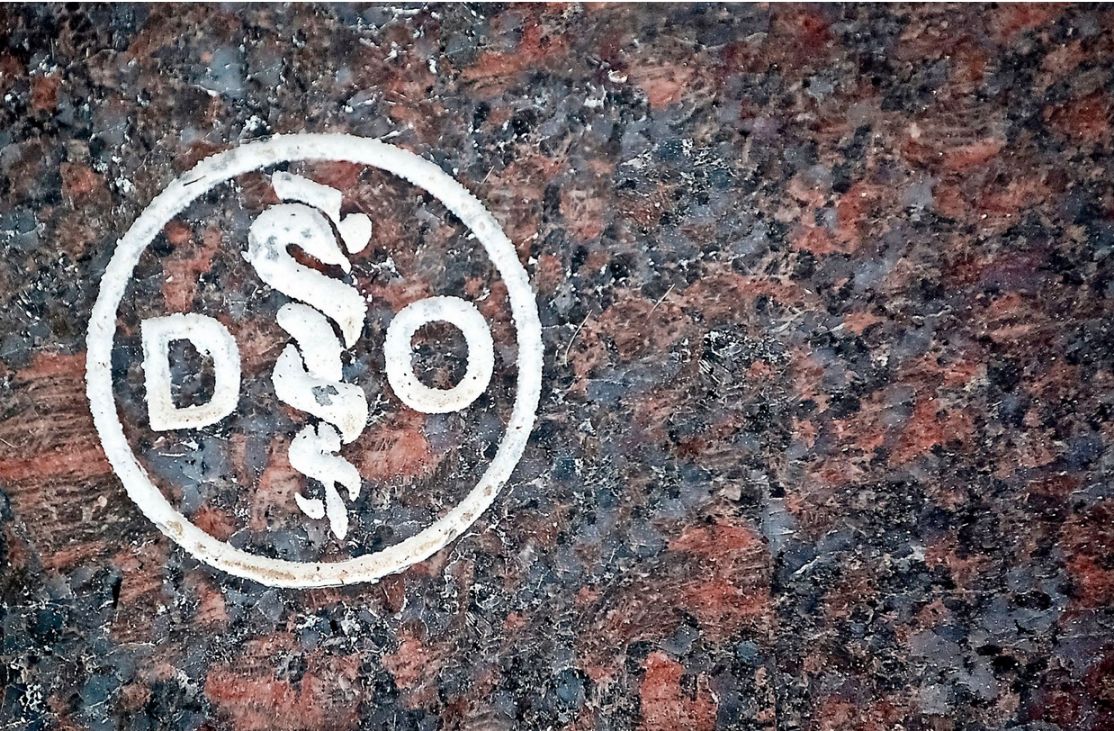
A DO doctor, short for Doctor of Osteopathic Medicine, is a fully licensed physician trained to prevent, diagnose, and treat patients. The terms “DO,” “osteopath,” and “osteopathic doctor” all refer to the same credential.
Osteopathic medicine is a legitimate and well-established branch of medicine. What sets it apart is a whole-body philosophy: osteopathic doctors evaluate how each body system influences the others, how the musculoskeletal system contributes to overall health, and how lifestyle, environment, and mindset all factor into a patient’s wellbeing.
Growing in popularity: One out of every four U.S. medical students is now enrolled in an osteopathic medical school. There are nearly 50 accredited osteopathic medical schools in the United States today.
DOs are licensed to practice medicine in all 50 U.S. states, Washington, D.C., and in 65 countries worldwide, just like MDs. They can prescribe medication, perform surgery, order diagnostic tests, and treat patients across every age group and medical specialty.
The profession is one of the fastest-growing segments in healthcare today, with one out of every four medical students enrolled in an osteopathic medical school”. Today, there are almost 50 Osteopathic medical schools in the United States.
A Brief History of Osteopathic Medicine
What is the history of osteopathic medicine in a nutshell?
Osteopathic medicine was founded in 1874 by physician Andrew Taylor Still. Dr. Still’s perspective was shaped by profound personal loss, the deaths of three of his children, as well as his experiences treating soldiers during the Civil War. Disillusioned by the medical practices of his era (which included treatments such as arsenic), he began developing a new framework for understanding health and the human body.
Rather than defining health simply as the absence of disease, Dr. Still emphasized cultivating wellness and supporting the body’s capacity to heal. He established the first osteopathic medical school in 1892 and launched the Journal of Osteopathy in 1894. His foundational principles remain central to osteopathic training today.
What is the Difference Between An MD & DO Doctor?
Are DOs doctors?
This is one of the most commonly asked questions about osteopathic medicine. The answer is yes. DOs and MDs have more similarities than differences. Both complete rigorous medical training, both are fully licensed, and both can practice medicine in every U.S. state.
| Training / Practice Area | DO (Doctor of Osteopathic Medicine) | MD (Medical Doctor) |
|---|---|---|
| Bachelor’s degree required | ✓ Yes | ✓ Yes |
| National licensing exam | ✓ Yes (COMLEX) | ✓ Yes (USMLE) |
| 4-year medical school | ✓ Osteopathic school | ✓ Allopathic school |
| Residency training | ✓ Yes | ✓ Yes |
| Board certification | ✓ Yes | ✓ Yes |
| Continuing education required | ✓ Yes | ✓ Yes |
| Can prescribe medication | ✓ Yes | ✓ Yes |
| Can perform surgery | ✓ Yes | ✓ Yes |
| Musculoskeletal / OMT training | ✓ Extensive | Limited |
| Nutrition education emphasis | ✓ Greater emphasis | Varies by program |
| Whole-body, wellness-first approach | ✓ Core philosophy | Varies by physician |
The most meaningful difference is philosophical. Osteopathic training emphasizes treating the whole person, not just a symptom or a diagnosis. DOs are trained to investigate root causes, consider lifestyle and prevention strategies, and evaluate how different body systems interact. Many DOs serve as primary care physicians, though they also practice in every medical specialty.
You may have already seen a DO. Because DOs practice in all areas of medicine, many patients have received care from a DO without realizing it.
The Four Core Principles of Osteopathic Medicine
All osteopathic doctors are trained according to four foundational principles
- The body is a unit; a person is a unified whole of body, mind, and spirit.
- The body is capable of self-regulation, self-healing, and health maintenance.
- Structure and function are interrelated. The musculoskeletal system affects the health of all other systems.
- Rational treatment is grounded in an understanding of body unity, self-regulation, and the interrelationship between structure and function.
Rather than approaching health as simply the absence of disease, osteopathic medicine looks for opportunities to support the body’s natural ability to heal and to identify what may be working against it.
Osteopathic Manipulative Treatment (OMT)
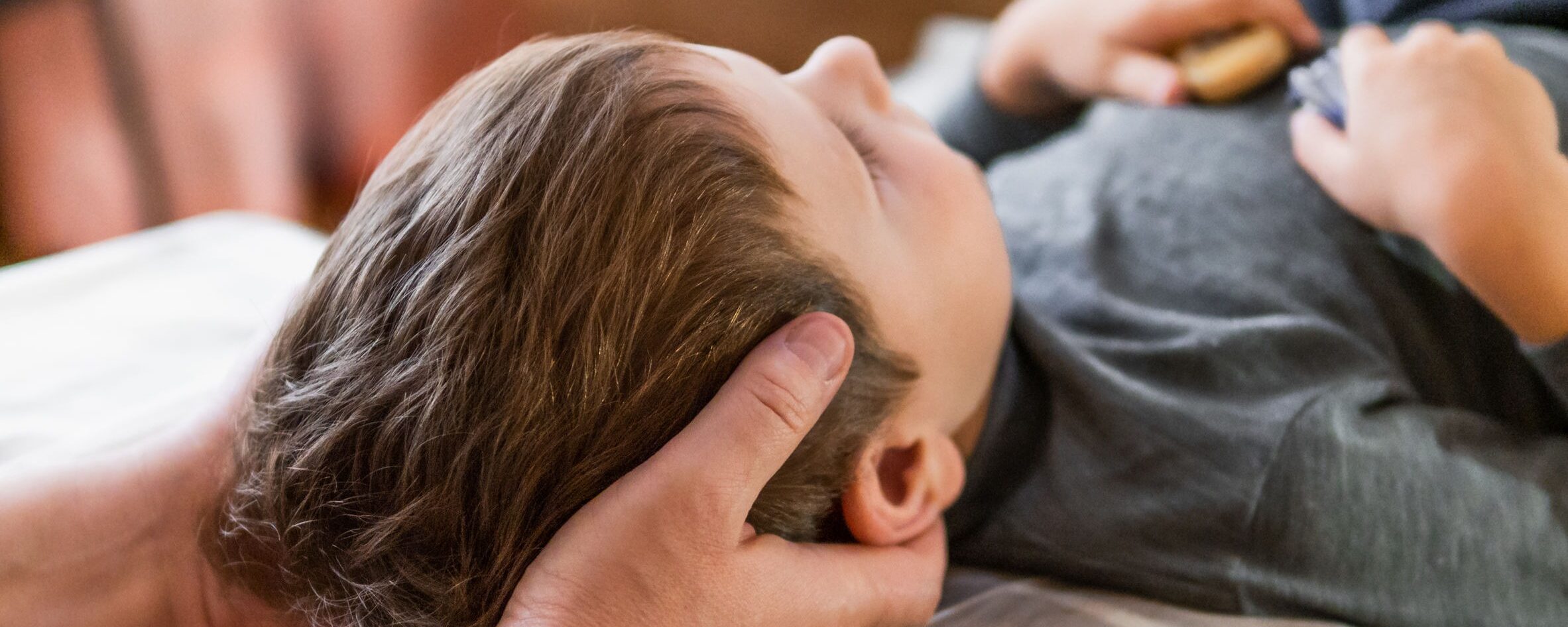
One of the most distinctive aspects of osteopathic medicine is Osteopathic Manipulative Treatment (OMT). This is a hands-on diagnostic and therapeutic approach that is unique to DOs.
All osteopathic physicians receive extensive training in the musculoskeletal system during medical school. OMT is rooted in the understanding that the health of muscles, joints, and connective tissue directly influences the functioning of all other body systems.
What does OMT involve?
During an OMT session, a DO may use gentle hands-on techniques such as stretching, light pressure, and resistance to diagnose restrictions, improve mobility, and support the body’s natural healing processes. OMT is used to treat a wide range of conditions and, in some cases, may serve as an effective alternative to medication or surgery.
While DOs are fully authorized to prescribe medications, they may first consider non-pharmaceutical approaches including OMT depending on the individual patient’s needs and clinical picture.
Specialties and Who Can See a DO
DO specialties
DOs are certified through 16 specialty boards, with credentials available in 29 primary specialties and 77 subspecialties.
Some of the most common areas of practice include:
- Family Medicine
- Internal Medicine
- Pediatrics
- Obstetrics & Gynecology
- Dermatology
- Surgery
- Psychiatry & Psychology
- Emergency Medicine
- Osteopathic Manipulative Medicine
Who can see an osteopathic doctor?
Anyone. DOs treat patients of all ages and backgrounds. Whether you’re looking for a primary care provider or a specialist, there is likely a DO practicing in the area of medicine you need.
If you’d like to find a DO near you, you can search the directory at the previous link.
Frequently Asked Questions
What is a DO doctor, exactly?
A DO (Doctor of Osteopathic Medicine) is a fully licensed physician who has completed four years of osteopathic medical school, a residency, and board certification. DOs are trained to diagnose and treat illness and injury using the same tools as MDs — including prescriptions and surgery — with an additional emphasis on whole-body health, the musculoskeletal system, and preventive care.
Is a DO a “real” doctor?
Absolutely. DOs are fully licensed medical doctors in all 50 U.S. states and 65 countries. They complete the same length of medical training as MDs and are subject to the same licensing and continuing education requirements. There is no difference in legal scope of practice between a DO and an MD.
What is the difference between a DO and an MD?
Both credentials require a bachelor’s degree, medical school, residency, board exams, and continuing education. The primary difference is in philosophy and training emphasis. Osteopathic medical schools place greater focus on whole-body wellness, nutrition, the musculoskeletal system, and Osteopathic Manipulative Treatment (OMT). In practice, many DOs take a more holistic, root-cause approach to patient care compared to the conventional disease-treatment model.
What is OMT and do all DOs practice it?
Osteopathic Manipulative Treatment (OMT) is a hands-on technique unique to DOs that uses stretching, gentle pressure, and resistance to diagnose and treat a range of conditions. All DOs are trained in OMT during medical school, though not all incorporate it regularly into clinical practice — it depends on the physician’s specialty and individual approach.
Can a DO prescribe medication and perform surgery?
Yes. DOs have the full authority to prescribe medications, perform surgery, and carry out any clinical procedure an MD can. Their scope of practice is identical in every U.S. state.
Do DO doctors specialize?
Yes. DOs can specialize in any area of medicine from cardiology and surgery to dermatology, psychiatry, and emergency medicine. There are 29 primary specialties and 77 subspecialties available through osteopathic board certification.
Is an osteopathic doctor right for me?
If you value a physician who considers your overall health, lifestyle, and wellness, not just your immediate symptoms, a DO may be an excellent fit. Many people seek out DOs specifically for their whole-body approach, their interest in root-cause medicine, and their additional training in nutrition and musculoskeletal health. Ultimately, the right provider is the one who listens, understands your needs, and supports your goals.
How do I find a DO near me?
You can use the official osteopathic physician locator to search for licensed osteopathic physicians by specialty and location.
Summary & Wrap-Up
If you’ve been wondering “What is a DO?” or “What is a DO doctor?”, here’s what you need to know:
- A DO is a fully licensed physician; the credential stands for Doctor of Osteopathic Medicine.
- DOs complete the same length of training as MDs: bachelor’s degree, four years of medical school, residency, and board certification.
- DOs can prescribe medication, perform surgery, and practice medicine in all 50 U.S. states.
- What sets DOs apart is a whole-body, wellness-first philosophy that emphasizes the root causes of illness, musculoskeletal health, and prevention.
- Osteopathic Manipulative Treatment (OMT) is a unique hands-on technique available only through DOs.
- DOs practice in every medical specialty, from family medicine to surgery to psychiatry.
- Osteopathic medicine is one of the fastest-growing segments of U.S. healthcare. One in four medical students now trains at an osteopathic school.
Whether you’re already seeing a DO or simply considering one, you can feel confident that osteopathic medicine is a rigorous, evidence-based, and widely respected form of healthcare.