

By Amy Burkhart, MD, RD. Dr. Burkhart is the only physician in the U.S. who is also a dietitian and board-certified in integrative medicine.
If you ask ten people what a SIBO diet involves, you’ll likely get ten different answers. Small intestinal bacterial overgrowth (SIBO) is a common cause of bloating, gas, and digestive distress, and diet is an important part of its management. The purpose of a SIBO diet is to reduce these symptoms and help restore gut balance. But there is no single plan that works for everyone.
In this article, I compare the most widely used SIBO diet options, explain the science behind each, and offer guidance on choosing the approach that best fits your situation.
What Is SIBO?
Small intestinal bacterial overgrowth (SIBO) occurs when too many bacteria are found in the small intestine, an area of the digestive tract where bacteria are normally scarce. Most gut bacteria should reside in the large intestine, the final segment of the digestive tract.
When bacteria overpopulate the small intestine, they interfere with nutrient absorption, trigger inflammation, and ferment carbohydrates that the body has not yet had a chance to digest. This fermentation process produces gas, causing the characteristic bloating and discomfort associated with SIBO.
If left untreated, SIBO can lead to vitamin deficiencies, nutrient malabsorption, and a range of systemic symptoms. Understanding what SIBO is and what drives it is an important factor in choosing the right SIBO diet.
SIBO & IBS Overlap: Research shows that up to 78% of people with SIBO also have IBS. The two conditions share significant symptom overlap, and many experts believe SIBO is an underlying cause of a large proportion of IBS cases.
Choosing the Right SIBO Diet
There is no universal SIBO diet
The best approach depends on your specific symptoms, lifestyle, personal preferences, and any coexisting health conditions. Your healthcare provider will help determine which plan is most appropriate for your situation.
Most SIBO diets are designed for short-term symptom management while addressing the root cause of bacterial overgrowth, though some can be adapted for long-term maintenance. Below is a detailed look at each major SIBO diet option.
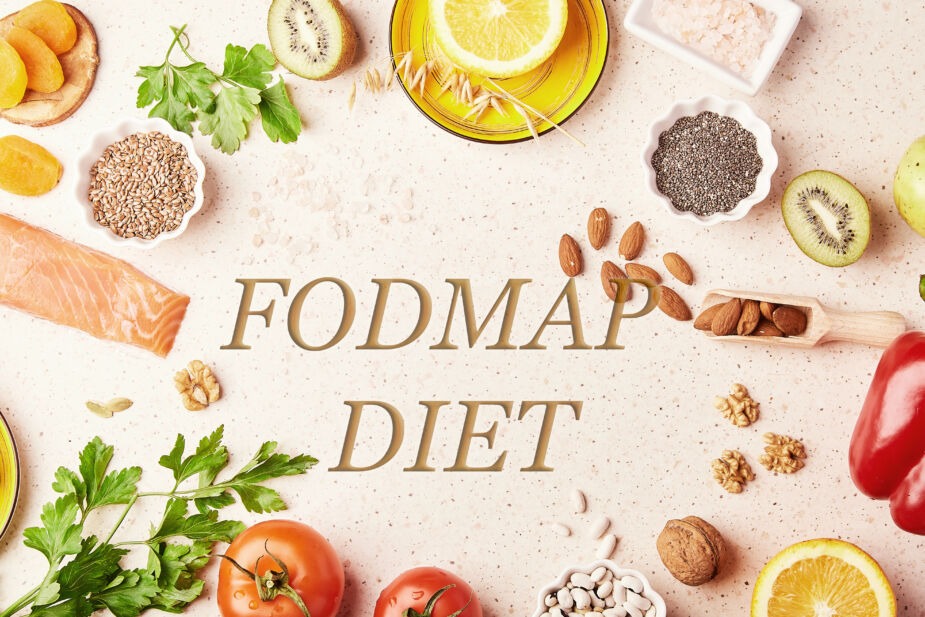
1. Low-FODMAP Diet
The Low-FODMAP diet is the most widely recognized diet used for SIBO and IBS.
FODMAPs fermentable oligosaccharides, disaccharides, monosaccharides, and polyols. They are a group of short-chain carbohydrates found in foods like onions, garlic, apples, wheat, beans, and asparagus.
In people with SIBO, these carbohydrates are rapidly fermented by bacteria in the small intestine, producing gas and triggering symptoms. By reducing FODMAP intake, the diet limits the fermentation that drives bloating and pain.
While most research on the Low-FODMAP diet focuses on IBS, studies show that 60–70% of IBS sufferers experience meaningful symptom relief on this plan , and because SIBO and IBS so frequently overlap, many clinicians apply it to both conditions. Research specifically examining the Low-FODMAP diet as a SIBO treatment remains limited but is growing.
Important: The Low-FODMAP diet is designed as a short-term elimination protocol followed by a structured food reintroduction phase. Due to its restrictive nature, working with a dietitian trained in Low-FODMAP protocols is strongly recommended.
2. ProLon Fasting-Mimicking Diet
How Fasting and the ProLon Diet Support Gut Health
Fasting is known to benefit gut health and the microbiome, but sticking to a strict fast can be difficult.
The ProLon Fasting-Mimicking Diet is a 5-day program designed to provide the benefits of fasting while still supplying nutrients and calories. Unlike a full water fast, it helps reduce common side effects like fatigue and headaches. This may sound impossible, but the diet is based on years of scientific research receiving millions of dollars in NIH funding and is currently the subject of over 240 ongoing or completed clinical trials. Currently, ProLon is the only fasting-mimicking diet program available.
While there are no specific studies on ProLon and SIBO, research shows that ProLon can reduce inflammation and that fasting generally supports a healthier gut microbiome. Anecdotally, I have several SIBO patients who use this regularly and find it helpful in SIBO management.
3. Specific Carbohydrate Diet (SCD)
The Specific Carbohydrate Diet was originally developed over a century ago to treat inflammatory bowel conditions, including ulcerative colitis, Crohn’s disease, and celiac disease. It gained widespread attention in the 1980s through Elaine Gottschall’s book Breaking the Vicious Cycle.
The SCD operates on the premise that certain carbohydrates promote the growth of harmful gut bacteria, leading to inflammation and poor nutrient absorption a mechanism that closely parallels what happens in SIBO. By eliminating most complex carbohydrates (rice, potatoes, quinoa, legumes, processed meats, and added sugars), the diet attempts to starve the harmful bacteria while allowing fruits, vegetables, eggs, fermented dairy, and meats.
A study comparing the Low-FODMAP diet and the SCD for IBS found greater symptom relief in participants following the Low-FODMAP approach. No studies have yet looked specifically at the SCD for SIBO. In my clinical experience, the SCD is restrictive, time-consuming, and challenging to sustain. I do not typically recommend it as a first-line SIBO diet, and if used, it should be done with professional nutritional guidance.
4. Low-Fermentation Diet (Cedars-Sinai Diet)
The low-fermentation diet limits carbohydrates that are not well-digested
Developed by SIBO researcher Dr. Mark Pimentel at Cedars-Sinai Medical Center, the Low-Fermentation Diet focuses on limiting carbohydrates that the human body cannot fully digest, essentially, foods that become “leftovers” for gut bacteria to ferment.
There is meaningful overlap between this approach and the Low-FODMAP diet, but the Low-Fermentation Diet places additional emphasis on meal timing. The protocol encourages structured meals with minimal snacking in order to preserve the migrating motor complex (MMC)—the gut’s natural “housecleaning” wave that sweeps bacteria out of the small intestine between meals.
Disrupting the MMC by grazing throughout the day is believed to contribute to SIBO recurrence. Unlike more restrictive SIBO diets, the Low-Fermentation Diet can be followed long-term and is designed to allow a reasonable degree of dietary normalcy.
5. Elemental Diet
An elemental diet is the only diet listed here to treat SIBO; the others are used for management.
The elemental diet is the only SIBO diet on this list that has been specifically studied as a treatment for SIBO, rather than as a management tool. It is also the most clinically supported dietary intervention for active bacterial overgrowth.
An elemental diet consists of a premade liquid formula, available as a ready-to-drink or a powder mixed with water, in which all macronutrients are pre-digested: proteins are broken down into amino acids, carbohydrates are fully simplified, and fats are provided in an easily absorbed form (often including MCT oil). Because the formula is absorbed in the upper small intestine before bacteria can ferment it, the approach effectively starves the overgrown bacteria.
Considerations: The elemental diet is a two-week, liquid-only protocol with no solid food. It is not appropriate for everyone, and the cost can be a barrier, as it is not always covered by insurance. This diet should always be undertaken under medical supervision.
6. Low Sugar / No Concentrated Sweets
This is less a formal diet protocol and more of a long-term lifestyle shift. After completing SIBO treatment, it is recommended to significantly reduce or eliminate processed sugars, cookies, cakes, candy, soda, and alcohol, and favor complex carbohydrates over simple ones. Total daily carbohydrate intake may be modestly reduced compared to a standard diet, though not as drastically as a ketogenic or paleo approach.
There are no specific studies on this plan for SIBO, but emerging research is examining optimal dietary patterns for SIBO prevention and long-term gut health. My personal goal for patients is always to reach this level of dietary flexibility, a sustainable baseline that minimizes the risk of SIBO recurrence without requiring ongoing strict restriction.
7. Paleo Diet
The paleo diet eliminates grains, dairy, and processed foods while limiting sugars, making it naturally lower in the carbohydrates that fuel bacterial overgrowth. However, the paleo diet is less precisely defined than Low-FODMAP or SCD, and criteria for what “counts” as paleo can vary.
There are no studies examining the paleo diet as a SIBO intervention. That said, many patients with SIBO report feeling meaningfully better when following a paleo-style eating pattern, likely due to its significant reduction in fermentable carbohydrates. It may be a reasonable option for patients who prefer its framework, but should be used under guidance to ensure nutritional adequacy.
8. SIBO Specific Food Guide
The guide for this diet has a color-coded guide of permitted foods.
The SIBO specific food guide diet was crafted by Dr. Allison Siebecker and combines the low FODMAP and SCD diets. Like a stoplight, green-coded foods are “legal,” whereas yellow-coded foods are to be eaten with caution in lower amounts. Red-coded foods are “illegal.” The guide gives recommended portion sizes for each food. There are no studies on this diet being used to manage SIBO. It is, however, widely used and anecdotally improves symptoms. It is restrictive and not meant to be followed long term. I have also used it in a “partial” fashion with patients and seen improvement in symptoms. This means patients may follow the guidelines loosely, choosing foods primarily from the list but allowing for some deviation and increased normalcy.
9. SIBO Bi-Phasic Diet
The Bi-Phasic Diet combines Low-FODMAP and SCD principles and divides the protocol into two sequential phases:
- Phase 1 (up to 6 weeks): All fermentable starches are eliminated to starve bacteria in the small intestine; alcohol is avoided.
- Phase 2: A limited number of starchy foods (such as lentils) are reintroduced to support beneficial large intestine bacteria.
As with most SIBO diet plans, no formal clinical studies specifically support the Bi-Phasic Diet, though it has a strong following in the integrative medicine community and numerous anecdotal reports of symptom improvement.
10. Low-Histamine Diet
SIBO is thought to contribute to histamine overproduction in the gut, which can trigger a separate set of symptoms in susceptible individuals, including headaches, skin flushing, itching, and worsened digestive complaints. For patients showing signs of histamine intolerance, a low-histamine diet may be incorporated into the SIBO diet plan.
No research has directly investigated the low-histamine diet in the context of SIBO, but clinical experience and patient reports suggest it can help reduce histamine-related symptoms during treatment. This is an evolving area of interest in gut health research. The good news: histamine symptoms often improve significantly once SIBO is successfully treated, at which point dietary restrictions can typically be relaxed.
11. GAPS Diet
It eliminates sugar and artificial sweeteners, alcohol, processed foods, grains, starchy vegetables, and beans.
GAPS (Gut and Psychology Syndrome) is an intensive elimination diet developed by Dr. Natasha Campbell-McBride. It eliminates sugar, artificial sweeteners, alcohol, processed foods, grains, starchy vegetables, and beans, and is promoted as a natural treatment for conditions ranging from autism and ADHD to gut permeability (“leaky gut”) and various mental health conditions.
There are no published studies on the GAPS diet as a treatment for SIBO. Its dramatic reduction in total carbohydrate intake may explain why some SIBO sufferers report improvement. However, due to its extreme restrictiveness and the lack of research specifically in SIBO, I do not routinely recommend the GAPS diet as a first-line SIBO diet option.
What About Antibiotics Without Diet Changes?
If there are too many bacteria, why not just treat them with antibiotics? Why address diet at all?
Antibiotics alone are the treatment most traditional doctors use. Unfortunately, with this option, SIBO often recurs.
Antibiotics (herbal or traditional) will temporarily help SIBO symptoms and are a cornerstone of treatment. But SIBO relapse rates with antibiotics alone are high. There are several reasons this may happen, but they are beyond the scope of this article.
Because of this high recurrence rate, patients (and practitioners) seek out alternative therapies for SIBO, including dietary changes. Many of these adjunctive treatments are very helpful.
Pro Tip: In my clinical experience, incorporating a structured SIBO diet as part of long-term management is critical to reducing the odds of recurrence. I am encouraged to see growing research interest in the role of diet in SIBO outcomes as the evidence base strengthens, more clinicians will incorporate dietary guidance into their SIBO treatment protocols.
Frequently Asked Questions About the SIBO Diet
What foods should I avoid on a SIBO diet?
How long should I follow a SIBO diet?
Most elimination-based SIBO diets are designed for short-term use, typically 4–12 weeks, while you address the underlying cause of SIBO. Many of the diets then include reintroduction phases that may take months to complete to determine specific food sensitivities. The Low-Fermentation Diet and a low-sugar approach are suitable for longer-term maintenance. Always transition out of restrictive phases with professional guidance.
Can diet alone treat SIBO?
Diet alone is generally insufficient to cure SIBO, except for an elemental diet, which has an 80–84% success rate in clinical trials. For most patients, diet is used in combination with antibiotics (herbal or pharmaceutical) and lifestyle changes. Diet plays a crucial role in managing symptoms and reducing recurrence.
Is the Low-FODMAP diet the same as the SIBO diet?
Which SIBO diet is best for bloating?
The Low-FODMAP diet is the most evidence-backed approach for reducing bloating associated with SIBO and IBS. The Low-Fermentation Diet and SIBO Specific Food Guide are also widely reported to help. What works best varies by individual, and the most effective SIBO diet is one you can follow and fits with your lifestyle parameters.
Key Takeaways: The SIBO Diet
- No single SIBO diet works for everyone. The right plan depends on your symptoms, health history, and lifestyle.
- The Low-FODMAP diet has the strongest research support for symptom relief, though most studies focused on IBS rather than SIBO specifically.
- The elemental diet is the only plan studied directly as an SIBO treatment, with an 80–84% success rate, but it’s challenging for many people and expensive.
- Elimination diets are short-term tools, not permanent solutions. The goal is symptom remission while the underlying cause of SIBO is addressed.
- Relapse risk is high when the root cause of SIBO, such as impaired motility or structural issues, remains unaddressed.
- The Low-Fermentation diet and a modified Low-FODMAP approach offer the best combination of symptom control and nutritional balance for most patients.
- My preferred long-term goal for patients is a “low sugar, no concentrated sweets” baseline that is sustainable, nutritionally sound, and supportive of SIBO prevention.
- Diet plays a critical role in both short-term symptom management and long-term SIBO prevention, even when antibiotics are the treatment of choice.
SIBO Diet Research ( Not comprehensive)
- Alternative treatment approaches to SIBO-Review article
- An alternative approach to SIBO-case study
- The role of dietary diversity in the formation of SIBO
- Diet patterns in SIBO
- Diet features of SIBO and IBS-D
- Effects of a Low FODMAP Diet and Specific Carbohydrate Diet on Symptoms and Nutritional Adequacy of Patients with Irritable Bowel Syndrome: Preliminary Results of a Single-blinded Randomized Trial
- Hydrogen and Methane-Based Breath Testing in Gastrointestinal Disorders: The North American Consensus
Other Articles By Dr. Burkhart
 Fasting Mimicking Diet For Gut Health: What Is It? Click Here
Amy Burkhart MD RD

 Could Your Headache Be From TMJ?
Amy Burkhart MD RD
 tamine Diet: What Is It And Does It Work?
Amy Burkhart MD RD