
A TMJ headache is a real, often debilitating headache caused by dysfunction of the temporomandibular joint (TMJ), the jaw joint that controls chewing, talking, and laughing. Stress-driven jaw clenching and teeth grinding are among the most common triggers.
This article covers what a TMJ headache is, how it differs from other headaches, its symptoms, and the most effective treatment options available today.
Preview
- TMJ headaches arise from problems in the jaw joint and surrounding muscles.
- Stress, teeth grinding (bruxism), and poor posture during computer use are leading causes.
- Symptoms extend beyond jaw pain: earaches, neck tension, facial pain, and even dizziness can occur.
- Multiple treatment pathways exist: dental, physical therapy, integrative, and medical.
- Identifying and treating the root cause leads to the best long-term outcomes.
What is the temporomandibular joint?
The temporomandibular joint (TMJ) is the hinge joint connecting the lower jaw (mandible) to the skull, just in front of each ear.
It is among the most active joints in the human body and is involved in every mouth movement, such as talking, chewing, drinking, laughing, and yawning.
Most people are unaware of the interplay among muscles, bones, and tendons that enables the jaw to work seamlessly until something goes wrong. When problems occur, pain can spread beyond the jaw, often resulting in a TMJ headache.
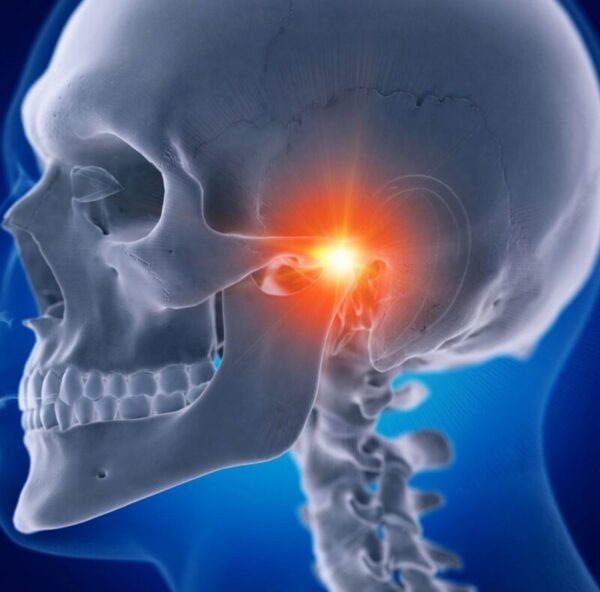
TMJ vs. TMD - What is the difference?
These terms are often used interchangeably, but there is a clinical distinction.
TMJ refers to the joint itself (the temporomandibular joint), while TMD (temporomandibular disorder) is the official medical term for any dysfunction or disorder affecting that joint. Your doctor or dentist may use TMD; this article uses TMJ, as it is the more familiar term for most readers.
Risk Factors For TMJ Problems
What Causes a TMJ Headache?
TMJ headaches result from strain, inflammation, or mechanical dysfunction within the joint and its surrounding muscles. Because the TMJ sits close to major nerve pathways, pain can refer outward to the temples, forehead, or neck producing what feels like a headache.
Common Risk Factors for TMJ Disorders
| Risk Factor | How It Contributes |
| Teeth grinding (bruxism) | Overloads jaw muscles; often occurs during sleep, unnoticed |
| Jaw clenching from stress | Sustained muscle tension leads to fatigue and pain |
| Poor computer posture | Forward head position strains jaw and neck muscles |
| Dental misalignment or recent dental work | Prolonged mouth opening or bite changes alter joint mechanics |
| Injury or trauma to the jaw | Direct damage to joint structures |
| Arthritis or autoimmune conditions | Rheumatoid or psoriatic arthritis can inflame the joint |
| Hormonal factors (excess estrogen) | Research links higher estrogen levels to TMJ sensitivity |
| Nutritional deficiencies | Low calcium, magnesium, or vitamin D may impair muscle function |
| Infection or inflammation | Systemic inflammation can affect joint health |

TMJ Disorder Symptoms
TMJ disorders produce a wide spectrum of symptoms. Headache is one of the most common, but it is rarely the only sign of underlying joint dysfunction.
- Headaches: often resembling tension headaches, felt at the temples, behind the eyes, or across the forehead
- Jaw pain: mild to severe, typically worst in the morning (from nighttime grinding) or early afternoon
- Facial pain: aching in the cheeks, around the ears, or beneath the eyes
- Neck, shoulder, and upper back pain
- Earaches or tinnitus: ringing in the ears without any ear infection
- Clicking or popping of the jaw when opening or closing the mouth
- Locking of the jaw: difficulty fully opening or closing
- Dizziness
- Sensitive teeth without any underlying dental disease
- Numbness or tingling in the fingers
- Bite changes: a feeling that upper and lower teeth no longer align normally
TMJ headache symptoms
What Does a TMJ Headache Feel Like?
A TMJ headache commonly presents as a dull, persistent ache, similar to a tension headache, in the temples or along the sides of the head. Pain can also radiate from tight neck and jaw muscles or be referred directly from the joint. The timing of the headache provides a diagnostic clue:
- Morning headaches suggest nighttime grinding or clenching as the primary driver.
- Headaches that worsen throughout the day point toward poor posture, prolonged computer use, or daytime jaw clenching.
Headaches tied to eating or talking suggest direct joint inflammation or structural issues.

TMJ headache relief
Treatment should address the root cause of TMJ dysfunction rather than only suppressing headache pain.
The following approaches are used individually or in combination, depending on the underlying cause and severity.
1. Stress Management
Because stress is one of the most common drivers of jaw clenching and bruxism, stress reduction is frequently a first-line intervention. Mind-body techniques, including mindfulness meditation, breathing exercises, and progressive muscle relaxation, can meaningfully reduce jaw tension. Regular aerobic exercise also lowers stress hormones and supports mood regulation, reducing the downstream impact on the jaw.
2. Dental and Orthodontic Treatment
Dentists and orthodontists trained in orofacial pain are important partners in managing TMJ headaches. A thorough evaluation using specialized imaging and physical assessment identifies structural contributors such as bite misalignment or dental appliance issues. Treatment options include:
- Custom mouthguards (occlusal splints): Worn during sleep to prevent grinding and reduce joint loading. Custom-fitted guards from a dentist are generally more effective than over-the-counter options, though they are more costly. Some health insurance plans provide coverage. Check with your provider.
- Bite realignment: When muscle tightness has caused jaw displacement, dentists can help restore proper alignment.
- Multiple guard fittings: If one type of guard does not provide relief, a specialist may try different designs.
When possible, seek a dentist who specializes in orofacial pain. The American Academy of Orofacial Pain maintains a directory of qualified specialists.
3. Physical Therapy
A physical therapist with experience in TMJ disorders can design an individualized program of jaw stretches and strengthening exercises. Physical therapy addresses both the joint itself and contributing factors such as neck posture and muscle imbalances in the shoulder girdle.
Seeking a specialist with specific TMJ training is important, as general physical therapists may have limited experience with this condition. To find a specialist: Physical Therapists who specialize in TMJ disorders
4. TMJ Exercises
Targeted jaw exercises can reduce the frequency and intensity of TMJ headaches, decrease clicking, and improve the range of motion. Common exercises include:
- Controlled jaw opening and closing while keeping the tongue on the roof of the mouth
- Side-to-side and forward-backward jaw movements
- Resisted jaw exercises using the hand as gentle resistance
- Neck stretching and chin tucks to improve posture
Your TMJ specialist can tailor an exercise regimen based on your specific presentation. Consistency and proper technique are essential for results.
There are also multiple videos for TMJ exercises available. See Bob and Brad’s YouTube video of TMJ exercises below. They have a great channel for different physical therapy exercises. This will get you started!
5. Acupuncture
Evidence for acupuncture in TMJ pain management is encouraging. Research suggests benefits may appear within as few as two treatment sessions. The proposed mechanism involves acupuncture increasing blood circulation to the jaw muscles, thereby reducing pain and swelling.
Acupuncture can be a valuable adjunct to other treatments, especially for patients who prefer integrative approaches or have not fully responded to conventional care.
6. Osteopathic Manipulation
Osteopathic physicians (DOs) who have completed specialized training in osteopathic manipulative medicine (OMM) can provide direct, hands-on treatment of the jaw joint and surrounding structures. Results for appropriately selected patients can be significant.
Not all DOs practice manipulation, so when seeking a referral, confirm the physician has specific TMJ or craniofacial manipulation training. The American Academy of Osteopathy offers a physician locator.
7. Massage Therapy and Chiropractic Care
When muscle tightness in the neck and shoulders is contributing to TMJ headache, massage therapy can be highly beneficial. Reducing myofascial tension in the upper body decreases referred pain and helps break the cycle of chronic muscle guarding around the jaw. Chiropractic evaluation of cervical spine alignment may also be appropriate for some patients, particularly when neck involvement is prominent.
8. Medications
Medications are typically used for short-term symptom management rather than as a standalone long-term solution. Options include over-the-counter analgesics, NSAIDs (e.g., ibuprofen), muscle relaxants, and, in some cases, low-dose tricyclic antidepressants for their analgesic and muscle-relaxing properties. For severe or refractory cases, Botulinum toxin (Botox) injections into the jaw muscles have been used to reduce grinding-related pain. Always discuss medication choices with your treating physician.
9. Integrative and Nutritional Approaches
Several complementary strategies can support recovery and reduce recurrence:
- Anti-inflammatory diet: A diet low in refined sugar and processed foods, rich in vegetables, fruits, and omega-3 fatty acids, supports systemic reduction of inflammation.
- Magnesium supplementation: Magnesium plays a key role in muscle relaxation. Deficiency is common and may worsen bruxism. Discuss appropriate dosing and form with your healthcare provider.
- Adequate hydration: Proper hydration supports overall muscle and joint function.
- Sleep hygiene: Improving sleep quality can reduce nocturnal grinding.
- Craniosacral therapy: A gentle alternative to chiropractic care
Social support and community: Chronic pain is modulated by psychosocial factors. Meaningful connection and community engagement lower stress and can positively affect pain perception

Summary
Summary: Key Points on TMJ Headaches
- A TMJ headache is caused by dysfunction of the temporomandibular joint, the jaw’s hinge joint, and can be severely debilitating.
- Stress, teeth grinding, poor posture, dental issues, and inflammation are the primary drivers.
- Symptoms extend well beyond the jaw: headaches, ear pain, neck and shoulder tension, and dizziness are all common.
- Multiple evidence-informed treatments are available: dental, physical, integrative, and medical.
- Pain medication may provide temporary relief, but identifying and treating the root cause is essential for lasting improvement.
- Seeking a specialist experienced in TMJ disorders leads to faster, more effective care.